6 min read · 30 October 2026
Buying baby gear second hand: what to check first
Learn how to safely buy pre-loved baby equipment, what items to avoid, and how to keep proof of purchase for your household records.
Written with AI and reviewed against sources. General information only, not legal advice.What that means
- baby
- safety
- second-hand
- consumer-rights
Buying baby gear second hand is a common way to manage household costs, but it requires extra care to ensure your child stays safe. When you buy from a private seller, you do not have the same protections as buying from a shop. If you buy from a trader, the Consumer Guarantees Act applies, meaning goods must be of acceptable quality and fit for purpose, though what is reasonable for a used item differs from a new one. You can use Hey Proofy to store your receipts and track important details for your household items.
Check for recalls and safety standards
Before you commit to a purchase, search for the item online to see if it has been subject to a product recall. Recalled items are often still sold on the second-hand market by people who may not be aware of the safety risk. You should also verify that the item meets current safety standards. For example, cots sold in New Zealand must meet specific mandatory safety standards. If an item does not meet these, it is not safe to use.
Always ask the seller for the original instruction booklet. If they do not have it, check if you can find the manufacturer’s instructions online for that specific make and model. Knowing how to assemble, fold down, or install the item correctly is vital for your baby's safety. If you cannot find the instructions, it is safer to walk away.
Items to avoid buying second hand
Some items are best bought new because their safety can be compromised in ways that are not visible. Experts advise against buying second-hand car seats because you cannot reliably know their history, such as whether they have been in a crash. Structural damage may be hidden, and the seat may have reached its expiration date. Other items like mattresses can be difficult to clean thoroughly and may pose hygiene risks.
Be cautious with items that have removable parts, such as swings or activity tables, as these can become choking hazards if parts are missing or worn. Always inspect items for loose screws, cracks, or frayed straps. If an item has been modified or repaired, it may no longer perform as intended, which increases the risk of injury. When checking items, look for loose screws or joints, open-ended tubes, hinges with gaps, or any spaces or holes that could trap a baby’s head, fingers, or toes. Also check for fabric that is worn or not attached properly to the frame, broken straps or buckles, and rough edges, sharp points, or splinters.
What to keep as proof of purchase
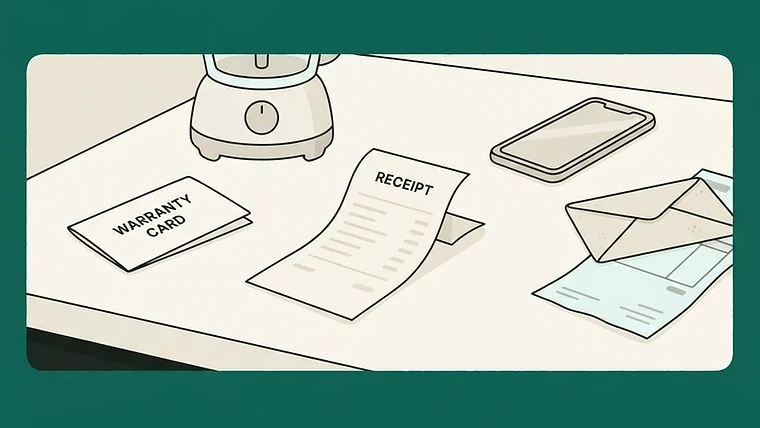
Even when buying second hand, it is helpful to keep a record of the transaction. If you buy from a trader, this proof is essential if you need to exercise your rights under the Consumer Guarantees Act. You can photograph or upload your receipt to Hey Proofy to keep your records organised. If you buy privately, keep a note of the item description, the price paid, the date, and the seller's contact details.
Having this information in one place makes it easier to manage your household inventory. It also helps you keep track of any warranty information if the item was originally purchased recently and the warranty is transferable. You can find more information on your rights at https://heyproofy.com/nz/your-rights.
What to do next
- Search for the make and model of any second-hand gear you are considering to check for active recall notices.
- Create a record of your purchase, including the date and price, and store it in a secure place like your household admin app.
When inspecting second-hand items, it is important to be thorough. For cots, ensure the cot is more than 600mm deep, measured from the top of the mattress base to the lowest point on any end or side, and that the mattress fits the cot firmly. Be aware that some older items, such as cots or toys, may contain lead-based paint, which is harmful to children. If you suspect an item has lead-based paint, it is best to avoid it. Always check for wear and tear, such as broken straps or buckles, and ensure that any hinges or gaps do not pose a risk of trapping a child's fingers or toes. Following the manufacturer's instructions is the best way to reduce the risk of injury, as these instructions detail how to correctly assemble and use the product. If you are unsure about the safety of an item, do not purchase it. Remember that if you are in trade, you have legal obligations regarding the supply of second-hand goods, including ensuring they meet mandatory safety standards where applicable. For consumers, reporting unsafe products to the Commerce Commission is a way to help keep others safe. Always prioritise your child's safety by choosing items that are in good condition and meet current safety requirements. By taking these steps, you can make informed decisions when buying second-hand baby gear, helping to ensure that the items you bring into your home are safe for your child to use. Keeping records of your purchases and checking for recalls are simple but effective ways to manage your household inventory and protect your family. Always stay informed about product safety standards and your rights as a consumer in New Zealand. If you have any concerns about a product, you can contact the relevant authorities or the retailer for more information. Your child's safety is paramount, and taking the time to check second-hand items thoroughly is a vital part of being a responsible parent. Whether you are buying from a shop or a private seller, being aware of the potential risks and taking steps to mitigate them will help you create a safe environment for your baby. Remember that some items, like car seats, are best bought new to ensure they have not been compromised in any way. By following these guidelines, you can confidently navigate the second-hand market and find safe, affordable gear for your little one. Always keep an eye out for updates on product safety and recalls, as this information can change over time. Your diligence in checking and maintaining your baby gear will go a long way in ensuring your child's well-being. Finally, remember that your rights under the Consumer Guarantees Act are there to protect you when buying from a trader, so don't hesitate to exercise them if you encounter any issues with your purchase. By staying informed and proactive, you can make the most of the second-hand market while keeping your child safe and secure.
Quick answers
- Is it safe to buy a second-hand car seat?
- No, it is not recommended. You cannot know the history of a used car seat, including whether it has been in a crash. Structural damage may be invisible, and the seat may have expired. For your child's safety, it is best to buy car seats new from a reputable retailer.
- How do I check if an item has been recalled?
- Search the product name and model number online to check for safety alerts or recalls. You can also check government product safety websites. If an item has been recalled, it should not be used or sold. Always verify the status of an item before you buy it second hand.
- Does the Consumer Guarantees Act cover second-hand goods?
- Yes, if you buy from a trader. The goods must be of acceptable quality and fit for purpose, considering their age and condition. However, these guarantees generally do not apply if you buy from a private seller. Always check the status of the seller before you make your purchase.
Sources
The official pages this guide was reviewed against. They are the authority, not us.