4 min read · 14 October 2026
How long should appliances last? Understanding your consumer rights
Learn how long your household items should reasonably last under New Zealand law and what to do when a product fails before its time.
Written with AI and reviewed against sources. General information only, not legal advice.What that means
- consumer rights
- appliances
- cga
- household
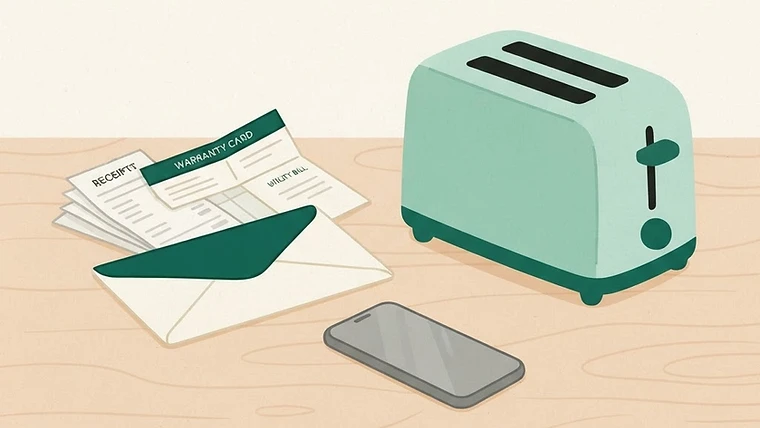
When you buy a new appliance, you expect it to work for a reasonable amount of time. In New Zealand, the Consumer Guarantees Act 1993 provides protection for shoppers. It states that goods must be of acceptable quality, which includes being durable enough to last a reasonable time. There is no fixed number of years or months set in law for how long a product must last. Instead, what is reasonable depends on the type of item, its cost, and how it is used.
It is common to confuse a manufacturer's warranty with your legal rights. A manufacturer's warranty is a voluntary promise from the maker, often covering a specific period. Your rights under the Consumer Guarantees Act are separate and exist regardless of whether a warranty has expired. If an item fails well before it should have, the retailer is responsible for putting things right. You can use Hey Proofy to track your warranty dates with a reminder before they end, so you know exactly when your manufacturer cover finishes.
Factors affecting durability
Several factors influence how long a product should last. The initial price is a major indicator. You would generally expect a high-end oven to last longer than a budget-friendly toaster. The type of appliance also matters. Large kitchen items like fridges, freezers, and dishwashers are expected to have a longer life than smaller electronics. Using an item in the way it was intended is also essential. If you use a product for a purpose it was not designed for, it may not be covered by the same expectations of durability.
Some goods contain parts with a limited lifespan that cannot be repaired. In these cases, the item as a whole is expected to last for a reasonable time after purchase, but the failure of a specific consumable part might be expected. When you are unsure about a purchase, keeping your records is helpful. Hey Proofy allows you to photograph or upload a receipt, which helps you keep your proof of purchase safe and accessible for your household.
What to do when things go wrong
If an appliance fails, first check if you are using it correctly according to the manual. If the fault is not due to misuse, contact the retailer. Under the Consumer Guarantees Act, the retailer is the one who must remedy the failure. They cannot simply tell you to contact the manufacturer. If the retailer refuses or fails to fix the issue within a reasonable time, you may be entitled to a repair, replacement, or refund.
When you speak to a retailer, be clear about the problem. Explain that the item has not lasted a reasonable time given its cost and type. You can find more information on your rights at https://heyproofy.com/nz/your-rights. If you need to find your original purchase details, you can search your own receipts in Hey Proofy to confirm the date and the shop where you bought the item.
What to do next
- Check your records for the purchase date and price of the item that has failed. If you have not kept the receipt, look for bank statements or other proof of purchase.
- Contact the retailer directly to explain the fault. State that you are seeking a remedy under the Consumer Guarantees Act because the product has not lasted a reasonable time.
Quick answers
- How long should my appliance last?
- There is no set legal time limit. The Consumer Guarantees Act requires goods to be durable for a reasonable time. This depends on the item's price and type. A cheap appliance may be expected to last a shorter time than a premium model. You can find more details on your rights at https://heyproofy.com/nz/your-rights.
- Is a warranty the same as my consumer rights?
- No. A manufacturer's warranty is a separate, voluntary promise. Your rights under the Consumer Guarantees Act are automatic and apply even after a warranty expires. If a product fails prematurely, the retailer must provide a remedy, regardless of the warranty status. You can learn more about how the law works at https://heyproofy.com/nz/how-it-works.
- Who is responsible for fixing a faulty product?
- The retailer is responsible for putting things right under the Consumer Guarantees Act. They cannot direct you to the manufacturer to resolve a claim. If a product is not of acceptable quality or fit for purpose, you should return to the shop where you bought it to request a repair, replacement, or refund.
Sources
The official pages this guide was reviewed against. They are the authority, not us.